introduction: for users who want to deploy applications on nodes in south korea, this article teaches you step by step how to complete the purchase process of korean cloud servers and deploy applications from a professional perspective, taking into account security and performance, and facilitating rapid launch and subsequent operation and maintenance.
clarify your business needs before buying: access area, bandwidth, latency, cpu, memory, storage and operating system preferences. korean nodes are suitable for low-latency services for japanese, korean or east asian users. we weigh the public network egress, availability zone and compliance to ensure that the selection fits the access scenario and budget.
when registering, prepare business or personal information, valid email and mobile phone number, and complete real-name authentication and binding of payment information. some cloud platforms will require additional verification or credit card pre-authorization. fill in the required information and turn on two-factor authentication to improve account security.
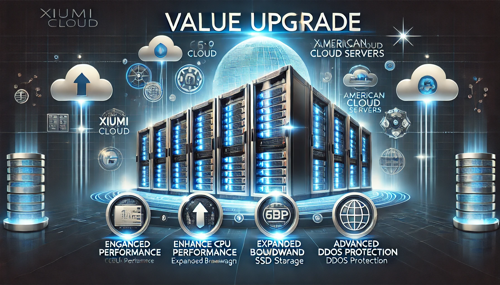
select the instance specification and storage type (ssd or high io) according to the business load, and pay attention to the billing mode (hourly/monthly/yearly) and bandwidth peak policy. prioritize solutions that can be expanded at any time, and plan snapshot and backup costs for disaster recovery and expansion.
create a dedicated private network (vpc) and divide it into subnets, and configure security groups or firewall rules to only open necessary ports (such as 22/80/443). enable traffic monitoring, port access whitelisting and logging to reduce the attack surface and facilitate subsequent audits.
select an appropriate operating system image (such as a commonly used linux distribution), import the ssh public key or set a complex password when creating an instance. after logging in for the first time, promptly update the system, install necessary dependencies, and close unnecessary services to optimize security.
when deploying, you can use git pull, scp/ftp or image release to upload code, install the runtime environment and dependencies (such as databases, middleware), and use service management tools (systemd or container orchestration) to ensure automatic process restart and log collection.
to improve user experience and security, resolve domain names to elastic ips or load balancers, and use automated tools to obtain and renew https certificates (such as certificate management based on the acme protocol). configure hsts and strong encryption suites to improve transmission security.
establish regular backups (snapshots and database backups), monitor alarms, and log aggregation strategies, and configure automated recovery and capacity warnings. develop emergency plans and rights management strategies, and conduct regular security scans and performance optimization.
pay attention to the composition of your bandwidth, storage, and incoming and outgoing bills, and review your bills regularly to avoid unusual charges. if handling sensitive data, verify local laws and cross-border transfer requirements to ensure data protection and compliance measures are in place.
summary and suggestions: teach you step by step how to complete the korean cloud server purchase process and deploy applications. you should not only pay attention to the operational details of purchase and deployment, but also pay attention to security, backup and monitoring. it is recommended to verify the deployment process in the test environment first, confirm performance and stability before switching to production traffic, and establish a continuous operation and maintenance and optimization mechanism.
- Latest articles
- Technical Guide: How Can Newbies Quickly Test And Go Online With Singapore Cn2 Direct Connection?
- Recommended Vps Cambodia Images And Automated Deployment Templates For Developers
- Zelda Scheduled Hong Kong Server And Local Server Delay Comparison And Selection Suggestions
- Japanese Cloud Server Download And Migration Practical Guide In Offline Installation Scenario
- Comparing The Specific Requirements For German Independent Servers On The Capabilities Of Operation And Maintenance Teams From Hosting To Self-management
- Network Diagnosis Method For Vietnam Server Cf Game Commentary In A Cross-border Battle Scenario
- Comparison Of Performance Of Japanese Cn2 Lines In Operator Interconnection In Different Regions
- Are There Cloud Servers In Taiwan? Latest Market Supply And Purchase Channel Inventory
- How Enterprises Choose The Right Supplier To Deploy Hong Kong Cn2 To Enhance Overseas Access
- Assessing Buying And Selling Opportunities After The Decline In Housing Prices In Thailand From A Medium- To Long-term Perspective
- Popular tags
-

Comparison Report On Prices, Bandwidth, And After-Sales Service For Buying Cloud Servers In South Korea
This report compares the factors affecting prices when purchasing cloud servers in South Korea, bandwidth options, after-sales service, and compliance considerations. It provides methods and recommendations for comparison, to help you make an informed choice. -
Detailed Buying Strategy: Where To Find Native Korean Cloud Servers And Security And Compliance Requirements
This article provides a detailed analysis from the perspectives of geographical location, performance metrics, security and compliance, as well as operational support, to determine the most suitable locations for deploying Korean-native cloud servers. It also outlines the necessary compliance and security requirements, offering practical advice for making purchasing decisions. -

Compare The Latest Korean Vps Horizontally And Find The Plan That Suits You Best
this article conducts a horizontal comparison of the latest korean vps to help users find the most suitable solution for them, including information on the performance, price, and services of major providers.